

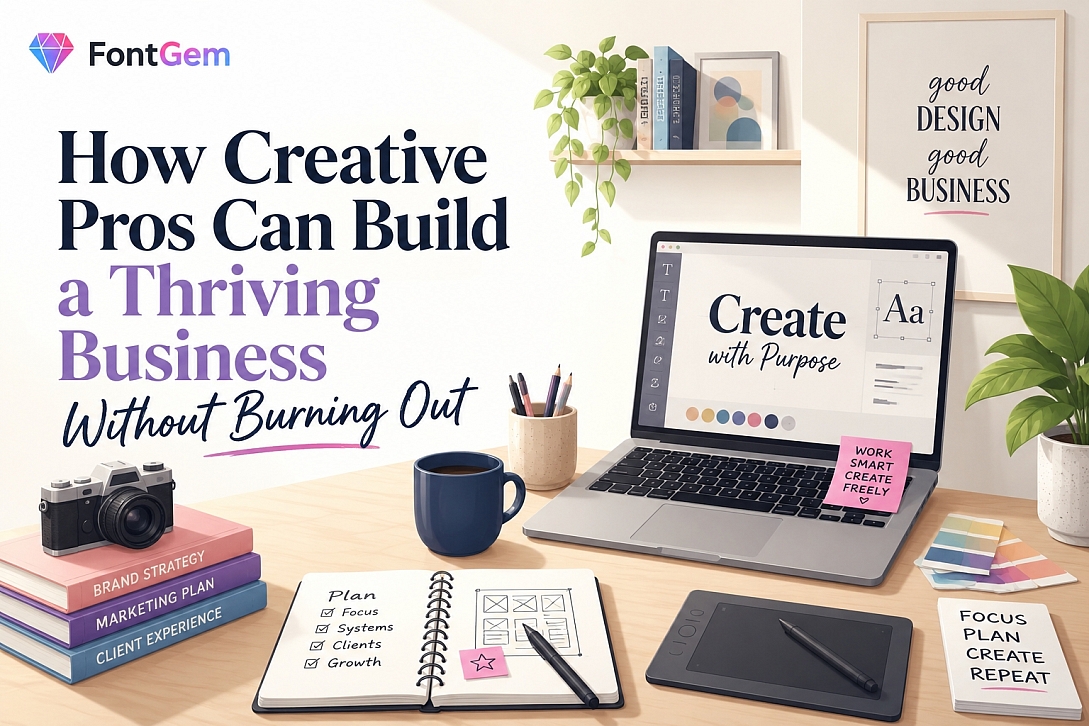
How Creatives Can Build a Thriving Business Without Burn Out
Creative professionals, designers, writers, photographers, illustrators, makers, and other independent artists often discover that turning creativity into income comes with a hard tradeoff. The same habits that sharpen the craft can make business feel scattered, inconsistent, and exhausting, creating familiar creative entrepreneurship challenges like unclear pricing, unpredictable demand, and work that never seems “done.”
Building sustainable businesses means treating creative work like a real operation while protecting the time, energy, and focus that make the work worth doing. With the right foundation, business success for artists becomes a repeatable outcome.
Understanding Intentional Market Positioning
Market positioning is the deliberate choice of who you serve, what you sell, and why your work is the right fit. It starts with defining a target audience, shaping clear creative offerings, and committing to the idea that creativity and business are equally important in how you operate.
This matters because vague positioning forces you to decide everything from scratch every time a lead appears. Clear choices make pricing, marketing, and project selection faster, which protects your energy and reduces rework. It also helps you focus on the channels where demand actually is, since digital creative content dominates much of today’s market.
Picture a photographer who “does everything” versus one who serves coaches with brand sessions and a monthly content package. The second option is easier to describe, easier to quote, and easier to repeat without constant reinvention.
With that foundation, formal management skills can turn clarity into consistent operations and better decisions.
Build Management Skills That Support Long-Term Creative Work
Once you know how you want to be positioned in the market, the next leverage point is building the management skill set to run the business side with confidence.
Earning a business management degree can give creative professionals a structured way to strengthen the essentials that keep work sustainable: marketing to reach the right clients, finance to price and plan responsibly, operations to deliver reliably, and strategic planning to make decisions that support long-term growth. Instead of relying on trial-and-error, you build a foundation that makes it easier to turn talent into a business that can handle real demand without constant firefighting.
If you need learning that fits around ongoing projects and personal commitments, an online route can be especially practical. You can earn a business management degree online while continuing to work, care for family, and manage everything else that can’t pause.
With those core skills in place, you’ll be better prepared to follow a clear plan for finding clients and delivering consistently.
Build a Client-Ready System in 5 Simple Steps
With those skills in place, here’s how to apply them.

This process helps you turn your creative talent into a repeatable way to find the right clients, deliver great work, and keep your energy intact. For general readers, it matters because simple systems reduce guesswork and prevent your business from depending on constant hustle.
- Step 1: Define one clear audience you can serve well
Start by choosing a specific group of people or businesses you want to help, then write down their top 3 frustrations and top 3 desired outcomes. Strong audience research keeps you from marketing to everyone and feeling rejected when most people are not a fit. The goal is clarity, not perfection. - Step 2: Turn your skills into 1–2 focused offers
Choose one “starter” offer that is small and easy to say yes to, and one “core” offer that creates the main transformation you deliver. Describe each offer in plain language: who it’s for, what they get, how long it takes, and what it costs. Fewer, clearer options make it easier to sell and easier to deliver consistently. - Step 3: Set up one dependable client-attraction routine
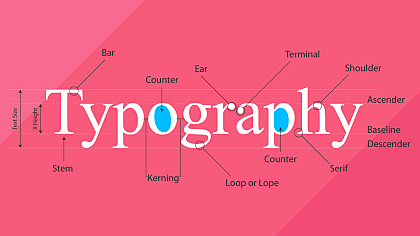
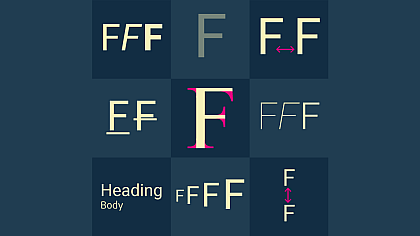
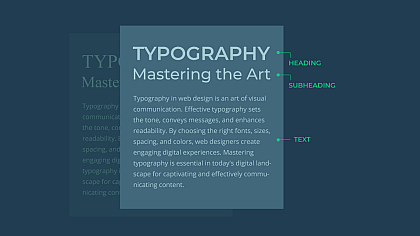
Pick one channel you can sustain, such as referrals, a portfolio site, or one social platform, and commit to a simple weekly rhythm. Share proof and process, like before-and-after examples, short case studies, or a behind-the-scenes walkthrough tied to your audience’s needs. This builds trust over time without forcing you to post constantly.Your visual identity should also be consistent across every platform where potential clients find you. Choosing the right typography helps reinforce your personal brand, whether you're designing a portfolio, creating social media graphics, building a website, or preparing client presentations. Free resources such as FontGem.com make it easy to find fonts that match your creative style without stretching your budget, helping you create a professional, memorable brand that clients recognise across every touchpoint.
- Step 4: Create a lightweight onboarding and delivery workflow
Write a one-page checklist for each project: discovery questions, scope confirmation, key milestones, and feedback points. Use templates for your proposal, invoice, and project kickoff email so you do not reinvent the wheel every time. A consistent workflow protects your time and makes the client experience feel professional. - Step 5: Review your numbers and capacity once a week
Take 20 minutes to check leads in, projects in progress, money collected, and hours available next week. If you are consistently overbooked, raise prices, narrow the scope, or add a waitlist rather than pushing longer days. Small weekly adjustments keep you growing without burning out.
Build it once, run it often, and you will feel momentum without the stress.
FAQs for Building a Creative Business Without Burnout
Realistically, a few doubts pop up as you put these ideas into practice.
Q: How do I price my work when I am scared people will say no?
A: Start with one clear package and a price you can confidently deliver without resentment. Test it for 3 to 5 projects, track time, and adjust based on what actually happens. A “no” is often a fit issue, not a talent verdict.
Q: What should I do when I hit a creative block but a deadline is coming?
A: Reduce decisions first: reuse a proven outline, a reference board, or a repeatable first draft process. Set a 25-minute timer and aim for “ugly version one,” then refine after momentum returns. If needed, ask the client one clarifying question to unlock direction.
Q: How can I grow without posting all the time or constantly networking?
A: Pick one consistent visibility habit you can sustain weekly, then repurpose it into smaller pieces. Build a small pipeline by following up with past clients and asking for one referral or testimonial. Consistency beats intensity.
Q: Should I write a business plan if I am not trying to be a startup?
A: Yes, because a plan can be simple and still reduce stress. A simple business plan helps you define your offers, income target, and realistic capacity so you do not overcommit.
Q: When do I raise prices without losing good clients?
A: Raise prices when your schedule is tight, your results are reliable, or inquiries keep coming from your ideal audience. Give existing clients a clear heads-up and offer a renewal window, then apply the new rate to new work.
Keep it simple, keep it sustainable, and let your systems protect your creativity.
Commit to a Sustainable Rhythm That Grows Your Creative Business
The hardest part of running a creative business is feeling pulled between making great work and keeping the business alive without exhausting yourself. The way through is a long-term business strategy that treats creative and business integration as a daily practice, combining talent and strategy instead of forcing a choice. When that mindset leads, decisions get clearer, pricing and boundaries get steadier, and sustaining creative enterprises becomes a repeatable rhythm rather than a constant scramble.
Build the business like a craft: steady, intentional, and sustainable. Choose one next move and commit to it for the next two weeks, protecting the time and energy it requires. That simple consistency is what turns entrepreneurial inspiration into resilience, health, and lasting growth.
Recent Posts

0.0488